

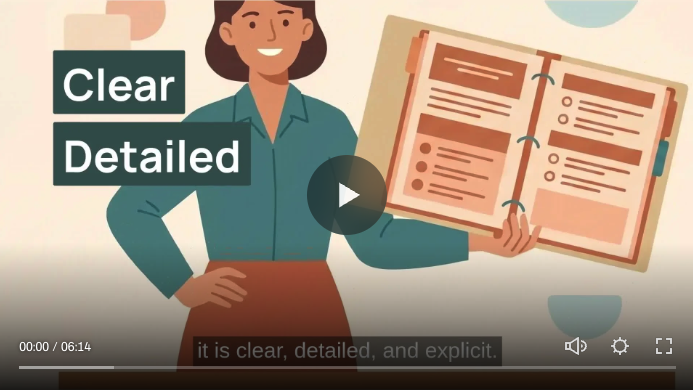
3 Methods for a clear and explicit curriculum
A great curriculum clearly details what knowledge to teach and the sequence in which it should be taught. But achieving this is easier said than done. This video provides three practical methods for writing and improving the clarity of your curriculum.

Which revolution to teach in History?
Which knowledge to include in a knowledge-rich curriculum? We take an example from History with a question we have been asked numerous times: which revolution to teach in History?

The success of Irish education
Why does Ireland finish on the top tier of countries in work rankings? Their foundations for success are the same as nearly every high-performing system in the world.

Policy development for system improvement
Our analysis shows that the most obvious difference between high-performing systems lies in the detail of policies: the extent to which they identify what is and is not working well in schools and classrooms, and the specific improvements needed in curriculum, pedagogy and assessment practice.

Results post-covid
The latest results in the OECD PISA on the performance of our nation’s students is good and bad news for Australia.
Article published in The Australian newspaper 9 December 2023

The impact of poor curriculum
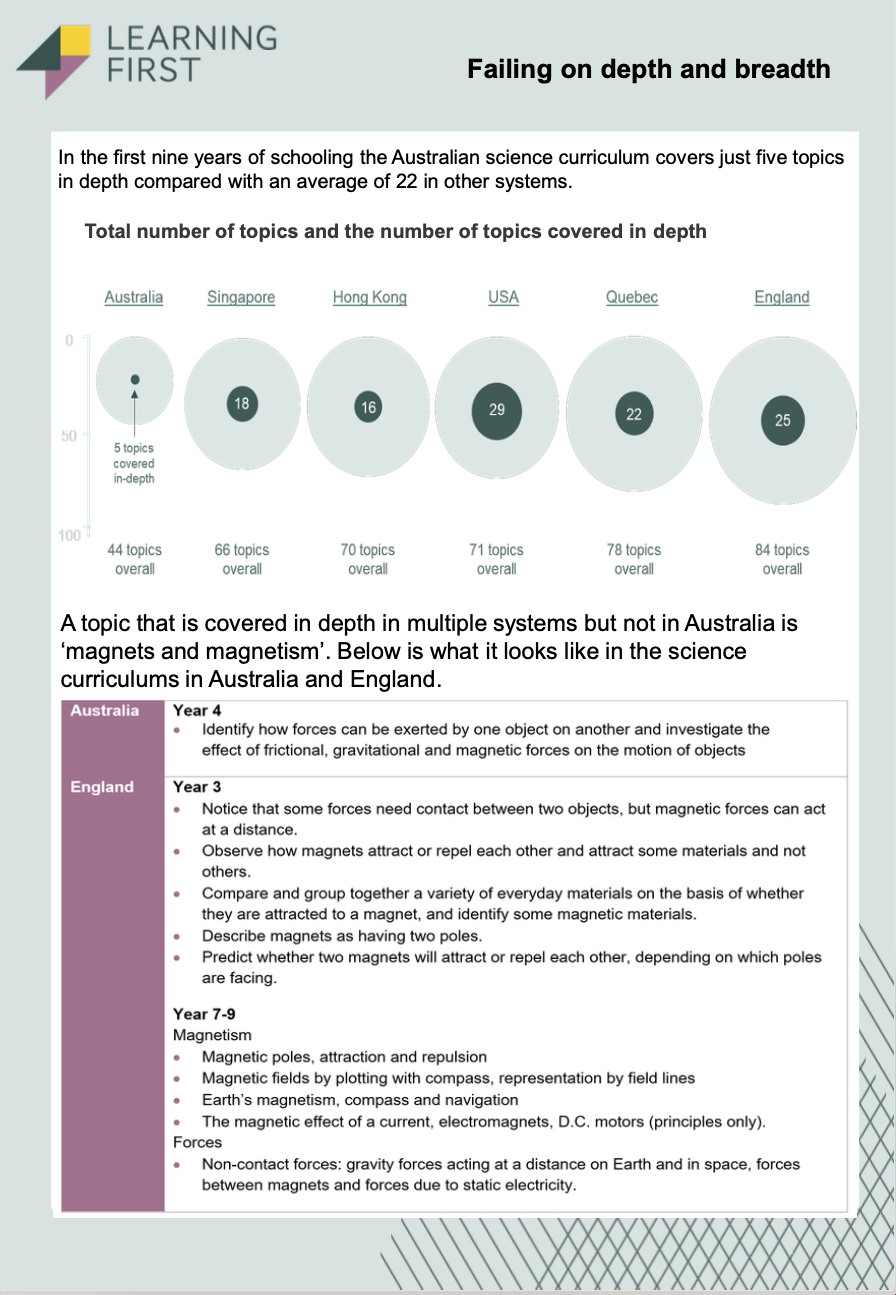
A narrow, shallow curriculum has damaging effects on both learning and equity. Are we comfortable with Australian students not learning significant amounts of the science content that is provided without question to students in other countries?

Australia’s curriculum gap
The Australian Curriculum includes about half as much science content as the average of these seven other curriculums. Instead of offering breadth and depth of learning, the Australian science curriculum is narrow and shallow.
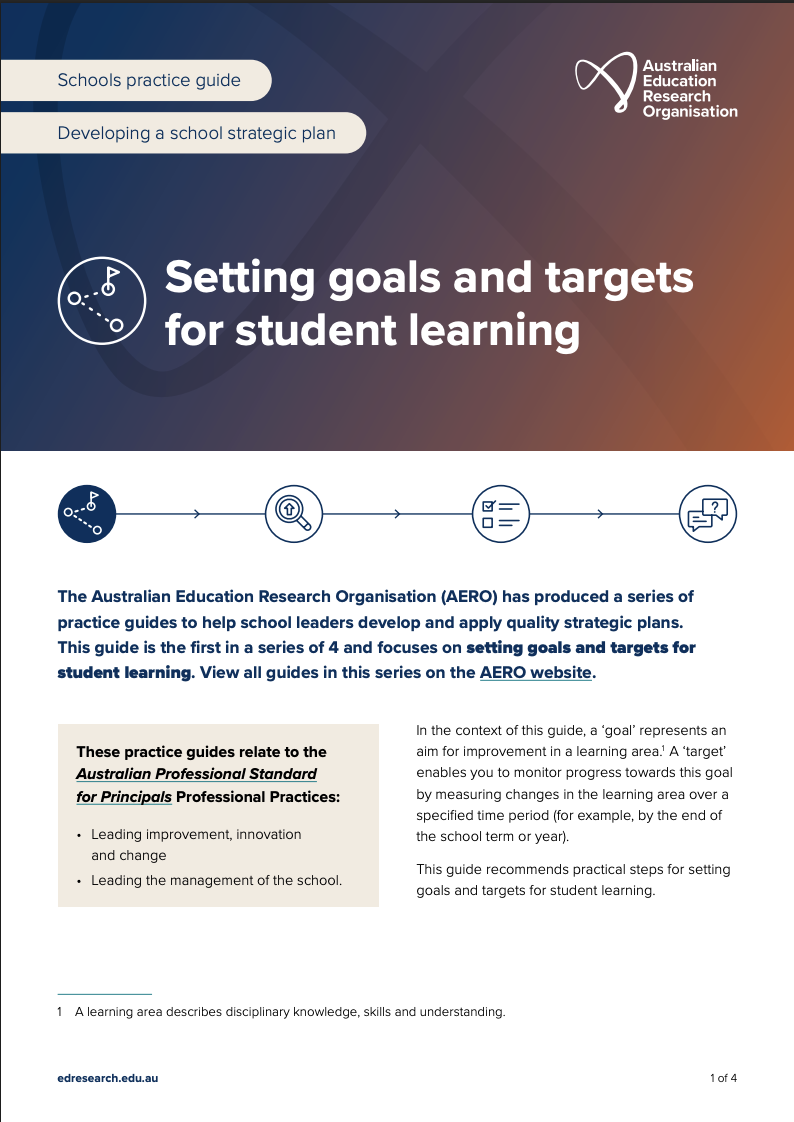
Practice guides for implementing strategic plans
Learning First and the Australian Education Research Organisation (AERO) produced a series of practice guides to help school leaders develop and apply effective strategic plans.

When schools don’t have a high-quality, content rich curriculum, inequality increases
Article published in The Australian newspaper, 29th July 2023

To lift standards, we must reclaim the curriculum
Article published in The Australian newspaper, 15 October 2022

Four reforms could close the education inequality gap
Article published in The Australian newspaper, 3 September 2022

How to reverse two decades of failed education reforms
Article published in The Australian newspaper, 12 August 2022

Who is the Australian Curriculum really for?
Article published in The Australian newspaper, 1st May 2021

Lessons we can learn to help schools support our children
Article published in The Australian newspaper, 6 June 2020

Teacher training must focus on school requirements
Article published in The Australian newspaper, 6 December 2017

Learning First facilitates new approach to teacher training
Article published in The Australian newspaper, 3 October 2015

The six steps to better teachers for Australia’s school systems
Article published in The Australian newspaper, 28 March 2015

NAPLAN system haunted by underlying conflicts
Article published in The Australian newspaper, 14 May 2014